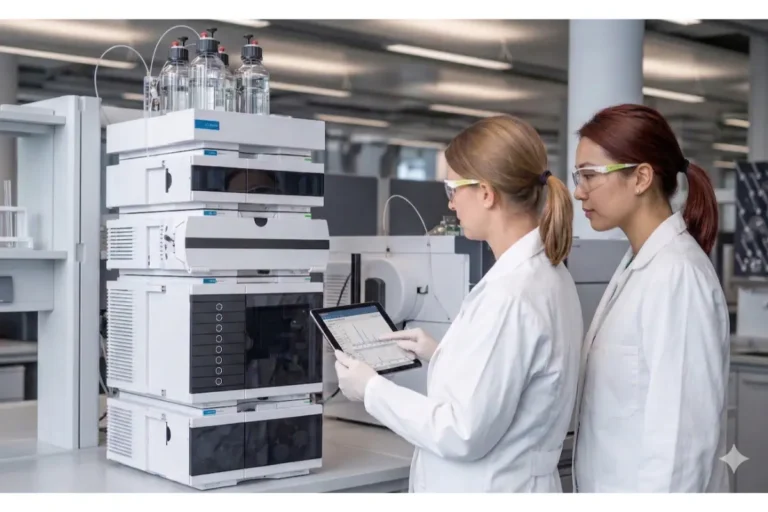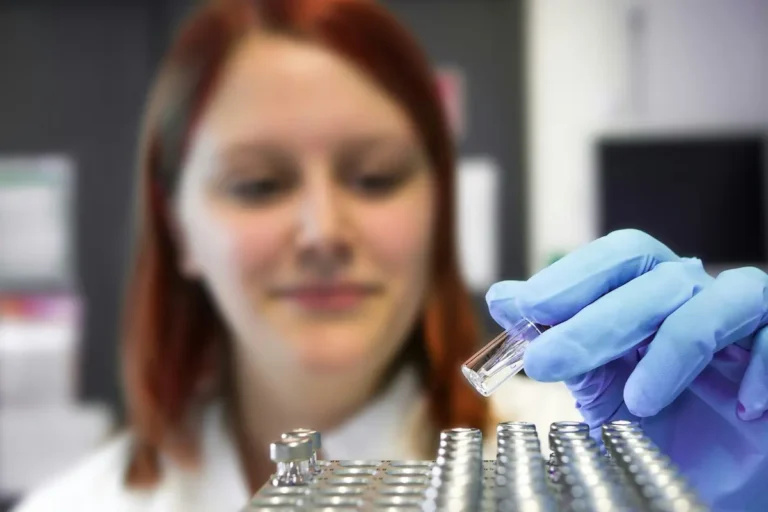


When your lab needs a reliable LC/MS or GC system but you’re working with constrained capital, refurbished analytical instruments offer a path forward. However, not all refurbished instrumentation is created equal. The difference between a certified, performance-verified system and a questionable used instrument can mean the difference between accurate results and costly downtime.
For lab managers and directors at environmental, contract testing, clinical, or cannabis testing labs, the decision to acquire refurbished chromatography or mass spectrometry equipment carries real weight. Quantum Analytics specializes in helping labs navigate this decision by delivering refurbished Agilent systems that meet OEM specifications—bundled with financing, installation, and ongoing service support.
This article outlines the key factors that determine refurbished analytical instruments reliability, helping you evaluate vendors, assess quality control standards, and make confident procurement decisions for your chromatography and mass spectrometry workflows.
The term “refurbished” covers a wide spectrum in the analytical instrument market. At one end, you’ll find instruments that have been cleaned and sold as-is. At the other, you’ll find systems that have undergone complete disassembly, component replacement, recalibration, and performance verification against original manufacturer specifications.
For chromatography and mass spectrometry instrumentation specifically, a properly refurbished system should perform identically to a new unit. This means the same resolution, sensitivity, and repeatability you would expect from equipment straight from the factory. The distinction matters because your lab’s data quality—and your compliance status—depends on instrument performance.
Therefore, before evaluating any refurbished analytical instrument, ask the vendor to explain their specific refurbishment process and documentation protocols.
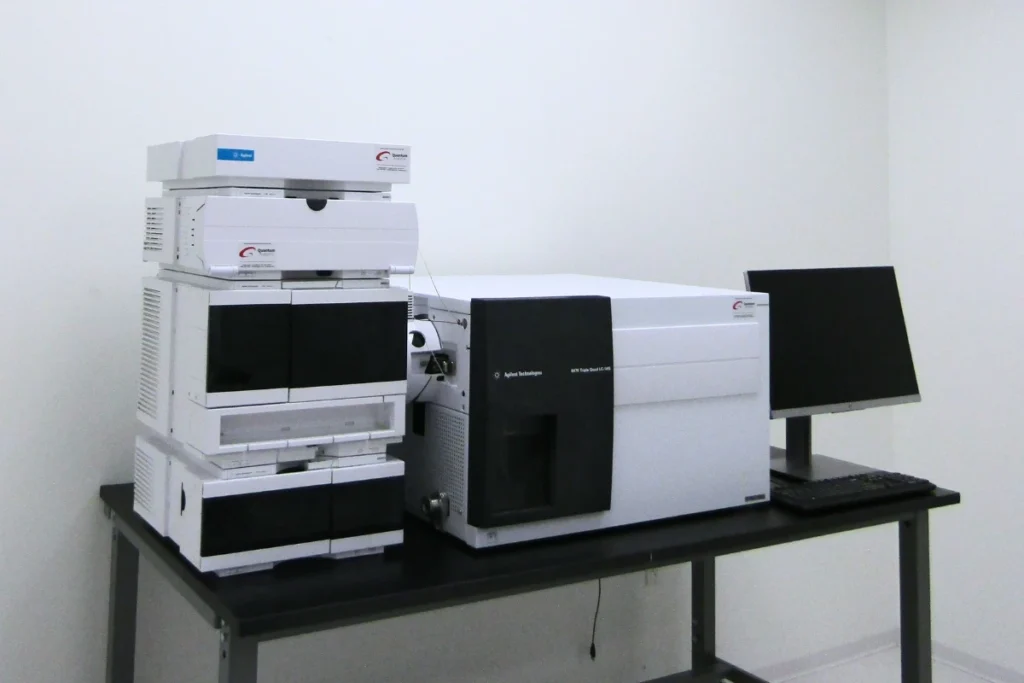
Quality control during refurbishment is where reliability is built—or lost. A robust QC process should include incoming inspection, component-level testing, full system calibration, and documented performance verification.
Critical QC Checkpoints to Request from Vendors
When evaluating a vendor, request documentation on these specific QC stages:
A vendor that can walk you through each stage with specific documentation demonstrates the operational rigor your lab requires. Quantum Analytics, for example, restores refurbished Agilent systems using OEM-trained technicians and retains full performance documentation for every instrument.
The quality of parts and expertise applied during refurbishment directly impacts instrument longevity and performance consistency. Generic or third-party components may fit physically but can introduce variability in sensitive analytical systems like LC/MS or ICP-MS instruments.
Highly-specialized technicians understand the specific tolerances, calibration requirements, and failure modes for each instrument model. This expertise becomes particularly critical for complex systems like mass spectrometers, where vacuum systems, ion optics, and detector components require precise handling.
Furthermore, when service issues arise post-installation, technicians familiar with your specific instrument configuration can diagnose and resolve problems faster—reducing your downtime and protecting your throughput.

Reliability extends beyond the initial refurbishment. Your vendor’s service support capabilities directly impact how quickly you can return to operation when issues occur.
Before committing to a vendor, assess their post-purchase support structure:
Quantum Analytics addresses these concerns by offering bundled service contracts alongside refurbished instrumentation. This means you can consolidate your warranty, preventive maintenance, and installation support into a single relationship—reducing the coordination overhead that often accompanies multi-vendor procurement.
Chromatography and mass spectrometry instruments present specific refurbishment considerations due to their analytical precision requirements. An HPLC system, for instance, requires precise pump calibration, detector sensitivity verification, and autosampler positioning accuracy to deliver reproducible results.
For LC/MS systems, the integration between the chromatography front-end and the mass spectrometer introduces additional complexity. Both subsystems must perform within specification, and their interface must maintain proper ionization efficiency and spray stability.
Consequently, when sourcing refurbished chromatography or mass spectrometry equipment, verify that the vendor tests the complete system configuration you’ll receive—not just individual components. This holistic approach to qualification ensures your instrument will perform reliably in your specific application workflows.
For many labs, the challenge isn’t just finding reliable refurbished instruments—it’s accessing them without depleting cash reserves or waiting on grant disbursements. This is where financing options become a strategic tool for lab operations.
Quantum Analytics offers financing programs specifically designed for analytical instrumentation, including options with no credit history required and 0% interest over 12 months. These programs allow labs to convert large upfront costs into predictable monthly payments that align with revenue cycles or funding timelines.
Additionally, bundling financing with refurbished instrumentation, installation, and service agreements into a single monthly payment can simplify budgeting and reduce the administrative burden on your operations team.
Before finalizing any refurbished instrument acquisition, request a performance qualification report specific to the instrument you’ll receive. This documentation should include test results demonstrating the system meets manufacturer specifications for key performance parameters.
For chromatography systems, relevant parameters typically include flow rate accuracy, pressure stability, detector linearity, and injection repeatability. For mass spectrometers, look for sensitivity, mass accuracy, and resolution specifications with supporting test data.
Reputable vendors will gladly share this documentation because it demonstrates the value of their refurbishment process. If a vendor hesitates to produce performance data, consider that a warning sign about their quality control rigor.

Reliable refurbished analytical instruments can deliver the same performance as new equipment at a lower total cost—when properly sourced. The key is evaluating vendors on their quality control standards, technician expertise, parts sourcing, and post-purchase service support.
At Quantum Analytics, we specialize in helping chromatography and mass spectrometry labs acquire high-quality refurbished Agilent systems backed by installation, warranty, and flexible financing options.
Ready to discuss your lab’s instrumentation needs? Contact us to get a custom procurement and financing plan tailored to your timeline and budget requirements. Check out our inventory of refurbished instrumentation on our online store.
Yes, when properly restored. A thoroughly refurbished LC/MS or GC system should perform identically to new equipment. Quantum Analytics delivers refurbished Agilent systems that meet OEM specifications, verified through documented performance testing before delivery to your lab.
Instrument lifespan depends on the quality of refurbishment, ongoing maintenance, and operating conditions. A properly refurbished system with regular preventive maintenance can remain in service for many years. Bundling service agreements with your purchase helps protect your investment over the instrument’s full lifecycle.
Warranty terms vary by vendor and instrument type. Quantum Analytics includes a standard 90-day warranty coverage with all refurbished instrument purchases. Systems purchased with installation services get an automatically extended warranty of 6-months. Plus, we offer bundled service contracts that extend protection beyond the standard warranty period. Ask vendors about specific coverage terms before purchasing.
Yes. Quantum Analytics offers financing programs for refurbished analytical instrumentation, including options requiring no credit history and 0% interest terms. These programs help labs acquire the instrumentation they need without large upfront costs or waiting on external funding sources.
Request a performance qualification report showing the instrument meets manufacturer specifications. Ask about the vendor’s refurbishment process, technician certifications, and parts sourcing. Quantum Analytics documents every step of the refurbishment process and retains performance verification records for each instrument.