
Our ICP-MS training program covers fundamental theory, instrument operation, method setup, interference management, routine maintenance, troubleshooting, and data analysis. Training can be customized around your laboratory’s Agilent ICP-MS system, installed software, applications, and user experience.
Entry-level trainees can learn the fundamentals of ICP-MS before progressing to instrument setup and sample analysis. Experienced users can expand their knowledge of method optimization, interference control, maintenance, performance evaluation, and troubleshooting.
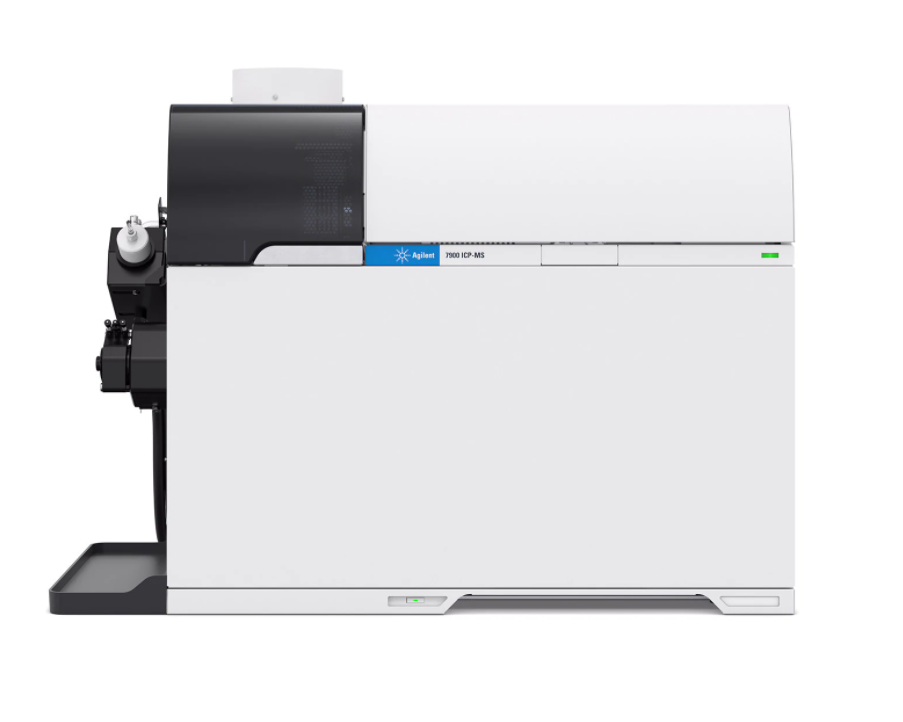
ICP-MS Theory and System Overview
Learn how the sample-introduction system, plasma, interface, ion optics, mass analyzer, detector, vacuum system, and software work together.
Sample Introduction and Plasma Operation
Understand the operation and care of the peristaltic pump, nebulizer, spray chamber, torch, and plasma system, along with practices that help minimize contamination.
Tuning and Performance Evaluation
Learn system startup, tuning, calibration, performance checks, and how to evaluate instrument readiness before sample analysis.
Method Setup and Interference Management
Create analytical methods, select isotopes and operating parameters, and understand strategies for managing common spectral and matrix interferences.
Data Acquisition and Analysis
Set up batches, calibration standards, quality-control samples, and sequences. Review calibration performance, analytical results, and reports using the installed software.
Routine Maintenance
Learn routine care of the sample-introduction system, torch, interface cones, pump tubing, and other components that affect instrument performance.
Troubleshooting
Identify and troubleshoot common issues involving startup, plasma stability, sensitivity, background levels, contamination, tuning, drift, and inconsistent results.
More Information
Our ICP-MS training program gives users a practical understanding of the complete analytical process, from introducing a sample and generating ions to separating, detecting, and quantifying individual elements.
Trainees learn how to prepare the instrument for operation, evaluate performance, configure analytical methods, manage interferences, and review data. The course also covers routine maintenance and troubleshooting techniques that can help reduce contamination, improve consistency, and prevent avoidable downtime.
Course content can be tailored around your laboratory’s instrumentation, analytical methods, software, and training objectives.