

Our liquid chromatography mass spectrometry training program covers LC/MS theory, instrument operation, data acquisition, maintenance, troubleshooting, and data analysis. Training can be tailored around your laboratory’s system configuration, software, applications, and user experience.
Entry-level trainees can build on their understanding of liquid chromatography while learning the fundamentals of mass spectrometry. Experienced users can focus on instrument performance, method optimization, maintenance, and qualitative or quantitative data analysis.
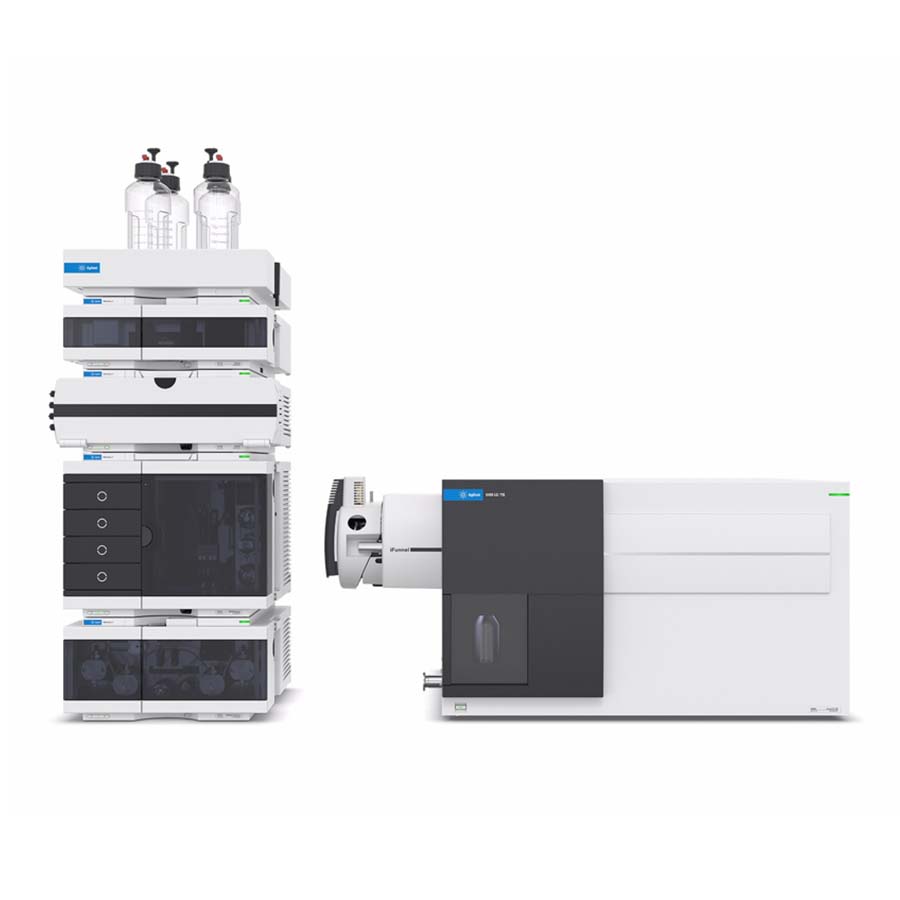
LC-MS Theory and System Overview
Learn how liquid chromatography, ionization, mass analysis, detection, vacuum systems, and instrument software work together to generate mass spectral data.
Ionization and Source Operation
Understand common ionization techniques, source parameters, compound response, and the factors that influence sensitivity and signal quality.
Tuning and Performance Evaluation
Learn the purpose of tuning, calibration, system checks, and performance evaluation before beginning sample analysis.
Methods and Data Acquisition
Create acquisition methods and worklists, select appropriate operating parameters, and run samples using the laboratory’s installed software.
Maintenance
Learn routine maintenance practices including source cleaning, interface inspection, pump and vacuum-system considerations, leak checking, and system care.
Data Analysis
Develop qualitative and quantitative data-analysis skills, including compound identification, calibration, integration, result review, and reporting.
Troubleshooting
Troubleshoot common issues including loss of sensitivity, elevated background, tuning failures, carryover, leaks, poor chromatography, and inconsistent results.
More Information
Our LC-MS training program helps users understand the complete analytical workflow, from chromatographic separation and ionization through mass analysis and interpretation of the resulting data. Training can be customized to emphasize routine operation, method setup, qualitative analysis, quantitative analysis, or instrument maintenance.
Users learn how operating conditions affect instrument response, how to evaluate system performance, and how to recognize common LC-MS problems. Maintenance and troubleshooting topics are taught using the customer’s instrument configuration and installed software whenever practical.
Course content can be adapted for beginner or advanced users and aligned with the applications performed in your laboratory.