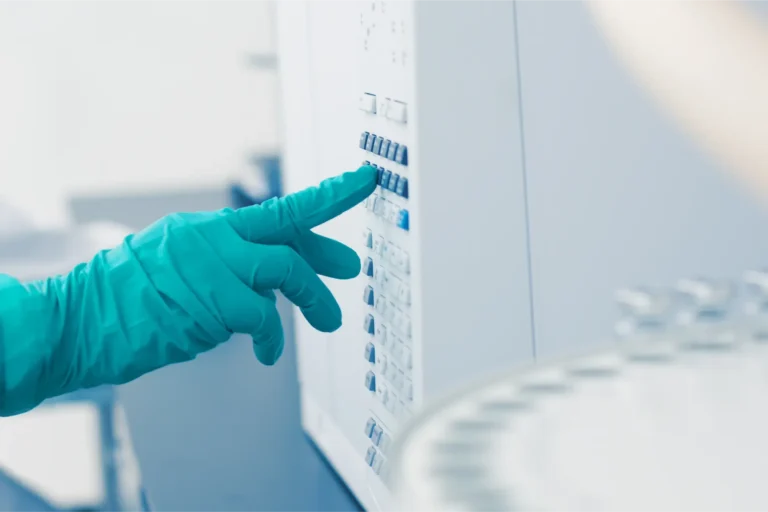
Contract testing laboratories operate in a demanding environment. Budgetary constraints, lengthy payment cycles, and the need for advanced instrumentation create significant financial challenges. To remain competitive while managing costs, many laboratories are turning to refurbished analytical instruments as a practical solution.
Financial Considerations for Contract Testing Labs
Contract testing laboratories must balance operational efficiency with financial sustainability. Key challenges include:
- High capital expenditure – Analytical instruments, including mass spectrometers, chromatography systems, and spectroscopy equipment, require significant investment. Acquiring multiple pieces of new equipment can quickly deplete a lab’s budget, limiting its ability to scale or take on new projects.
- Cash flow management – Delays in payment cycles can restrict the ability to reinvest in technology and infrastructure. Many labs work with clients who operate on extended payment terms, which can strain operational budgets and make it difficult to invest in necessary upgrades.
- Ongoing operational costs – Instruments require regular maintenance, calibration, and software updates to maintain accuracy and compliance. Beyond the initial purchase, these recurring costs can add up and impact profitability.
- Limited financing options – Traditional funding routes may not always be accessible, particularly for smaller or emerging laboratories. Banks and lenders often have strict credit requirements that make securing funding for new equipment a challenge.
The Cost of New vs. Refurbished Analytical Instruments
The decision between purchasing new versus refurbished instruments often comes down to cost-effectiveness and practicality. A brand-new HPLC system or mass spectrometer can cost hundreds of thousands of dollars, placing significant financial strain on a lab’s budget. In contrast, a high-quality refurbished model can offer similar performance at a fraction of the price, allowing labs to allocate resources more efficiently.
New equipment also comes with additional hidden costs, such as required training, installation, and software licensing fees, further increasing the overall investment. Meanwhile, refurbished instruments often come pre-configured and tested, reducing setup time and expenses.
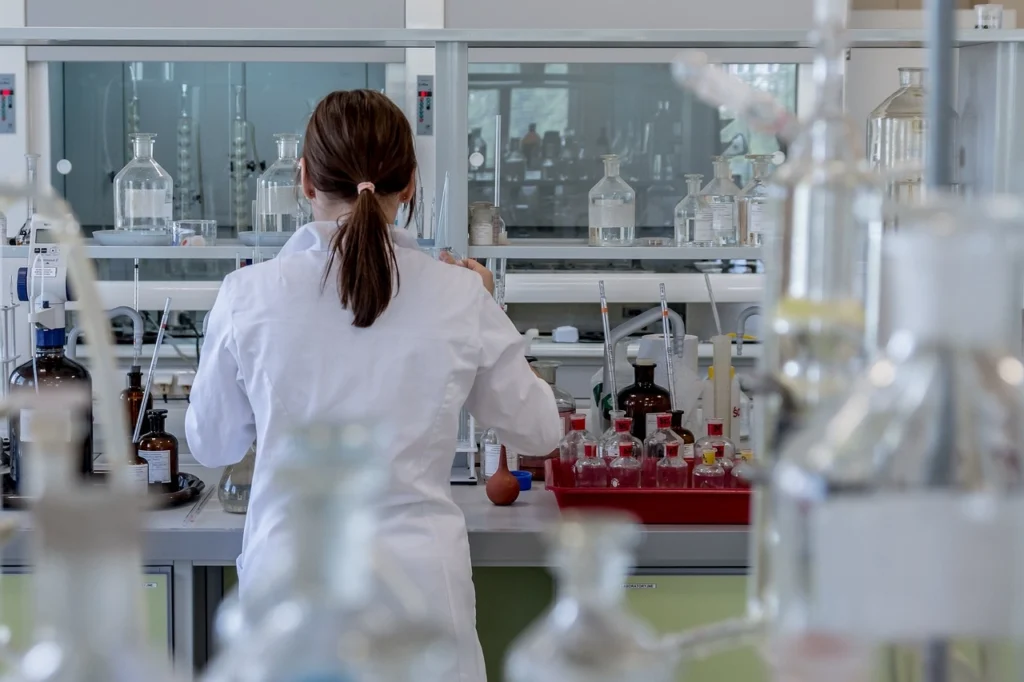
Advantages of Refurbished Instruments in Managing Costs
Refurbished laboratory instruments offer a cost-effective alternative without compromising analytical performance. Key benefits include:
- Lower Acquisition Costs – Purchasing refurbished lab equipment can reduce costs by 40% or more compared to new models, freeing up capital for other operational needs. This allows labs to invest in other critical areas such as personnel, facility upgrades, or additional service offerings.
- Faster Procurement – Unlike new instruments with long manufacturing and delivery lead times, refurbished models are often available immediately. This is particularly beneficial for labs that need to replace a malfunctioning instrument quickly or scale their operations without waiting for months-long backorders.
- Proven Performance and Compliance – High-quality refurbished lab instruments undergo rigorous testing, inspection, and certification to meet performance standards. Many reputable suppliers adhere to strict refurbishment protocols, ensuring that the equipment meets the same specifications as new models.
- Sustainability Benefits – Extending the operational life of laboratory instruments minimizes electronic waste and supports environmentally sustainable practices. Labs committed to sustainability initiatives can align their procurement decisions with their environmental goals while still maintaining high performance.
Key Considerations When Selecting Refurbished Lab Equipment
For laboratories considering refurbished equipment, evaluating several factors ensures optimal performance and reliability:
- Supplier Reputation – Work with established vendors specializing in certified refurbished laboratory instruments with documented quality assurances. Reputable suppliers provide warranties, service agreements, and transparent refurbishment processes.
- Certification and Support Standards – Ensure the equipment meets industry performance requirements and that the supplier provides long-term support.
- Integration with Existing Workflows – Verify that the instrument is compatible with current laboratory systems, software, and team expertise. Some refurbished instruments may require minor modifications or updated software to function seamlessly with existing processes.
- Service and Warranty Coverage – Consider suppliers that offer warranty protection and post-purchase support for maintenance and repairs. Having a service agreement in place ensures continued operational efficiency and reduces downtime.
Addressing Common Concerns About Refurbished Equipment
Despite the cost benefits, some labs hesitate to invest in refurbished equipment due to misconceptions about quality, longevity, and reliability. Addressing these concerns is essential to making an informed decision.
Is refurbished lab equipment as reliable as new?
Yes, when purchased from a reputable supplier, refurbished instruments undergo rigorous testing, calibration, and certification to ensure they meet manufacturer specifications. Many refurbished units come from lightly used lab settings and can perform just as reliably as new models.
How is maintenance handled when buying refurbished instruments?
A common concern is whether maintenance services will be available for refurbished instruments. Established refurbishment providers offer comprehensive support programs, from emergency repairs to detailed service agreements, delivering peace-of-mind and confidence in your lab investment.
Will using refurbished equipment impact lab accreditation?
Laboratories must adhere to strict compliance and regulatory standards. As long as refurbished equipment meets industry requirements and undergoes proper validation, it will not negatively impact accreditation or audit results.
The Strategic Value of Refurbished Analytical Instruments for Contract Testing Labs
Beyond cost savings, refurbished instruments can serve as a strategic asset for contract testing laboratories. By lowering initial investment costs, labs can allocate resources toward hiring skilled personnel, expanding service offerings, and improving operational efficiency.
Additionally, having access to affordable, high-quality refurbished equipment allows labs to scale their operations more effectively, take on larger contracts, and increase testing capacity. In industries where compliance, precision, and reliability are critical, leveraging refurbished analytical instruments enables labs to maintain high standards while optimizing financial sustainability.
Conclusion
For contract testing laboratories seeking to enhance financial flexibility while maintaining analytical excellence, refurbished equipment presents a well-founded and strategic investment choice. By selecting high-quality refurbished instruments from reputable suppliers, labs can reduce costs, improve efficiency, and maintain compliance with industry standards. In a competitive landscape, making smart procurement decisions can be the key to long-term success and operational growth.